
Best for Coffee Lovers
The best gifts for coffee lovers
Nine gifts for coffee lovers, ordered by what you know about their setup.
They are into one specific thing and you are not. These guides are written for that exact situation.
We earn a commission if you buy through the links on this page, at no extra cost to you. It does not change which gifts we pick or the order we rank them in. How we earn.
This section is for one specific, very common problem: the person you are buying for has a hobby, you know the name of it and nothing else, and every guide you find assumes you already speak the language. Everything below is written for the outsider.
Buy the accessory, not the centerpiece. A coffee person has strong views about their grinder and no views at all about whether their travel mug is lined with ceramic. A golfer has chosen their clubs and has a filthy towel clipped to the bag. A reader has opinions about books and no bookmark.
The reason this works is that hobbyists optimize the expensive end and ignore the cheap end. The gap is where a gift lands well — you are not competing with a decision they have already made, and you are not spending three hundred dollars to find out you guessed wrong about a preference.
The corollary: avoid anything where fit, size or compatibility matters unless you can check. Watch straps have a lug width. Dog harnesses have a chest measurement. Running socks have a shoe size. Golf gloves have a hand. Each of these is a great gift when the number is right and a dead gift when it is not.
Food and drink interests — coffee, tea, wine, cooking. The easiest category, because consumables are always welcome and equipment has clear entry points. If in doubt, buy the nicest version of the thing they consume rather than a device.
Animal people — dogs, cats. Here the trick is that the best gifts are for the owner as much as the animal: a food-stuffable toy buys forty quiet minutes, a fountain solves a health worry. Sizes and allergies both matter, so ask.
Gear-heavy hobbies — watches, gaming, running, golf, travel. The most intimidating group from the outside and the most forgiving in practice, because the consumables and small accessories are both obvious and genuinely wanted. Balls, socks, straps, towels, packing cubes.
Quieter interests — books, plants, gardening. These tend to be the cheapest to buy for well, because the pain points are small and specific: light, reach, somewhere to put things down.
In every one of these categories the price curve is the same shape. There is a cheap tier of accessories that are genuinely good, a mid tier where the real equipment starts, and a top tier that is mostly about materials and marginal gains. As an outsider you want the first tier, or the bottom of the second.
Concretely: $20 buys the best bookmark, grater or golf towel there is. $50 buys real equipment in coffee, tea and the kitchen. $150 and up is where you need to know what they already own, because that is the tier at which duplication becomes expensive.
Buying the thing they already have a better version of. A hobbyist's starter kit was replaced years ago, and a gift that duplicates a piece of core equipment is the clearest possible signal that you were guessing. If you only ask one question, ask what they already own — not what they want.
The second mistake is buying a hobby for someone who does not have it yet. A starter kit as a hint is a gift about you. If you want to introduce someone to something, a class or an experience is the honest version of that idea.
Best for Coffee Lovers
Nine gifts for coffee lovers, ordered by what you know about their setup.

Best for Book Lovers
Nine gifts for readers, mostly the accessories nobody buys for themselves.
Best for Dog Lovers
Nine gifts for dog owners, chosen for what helps the human too.
Best for Watch Lovers
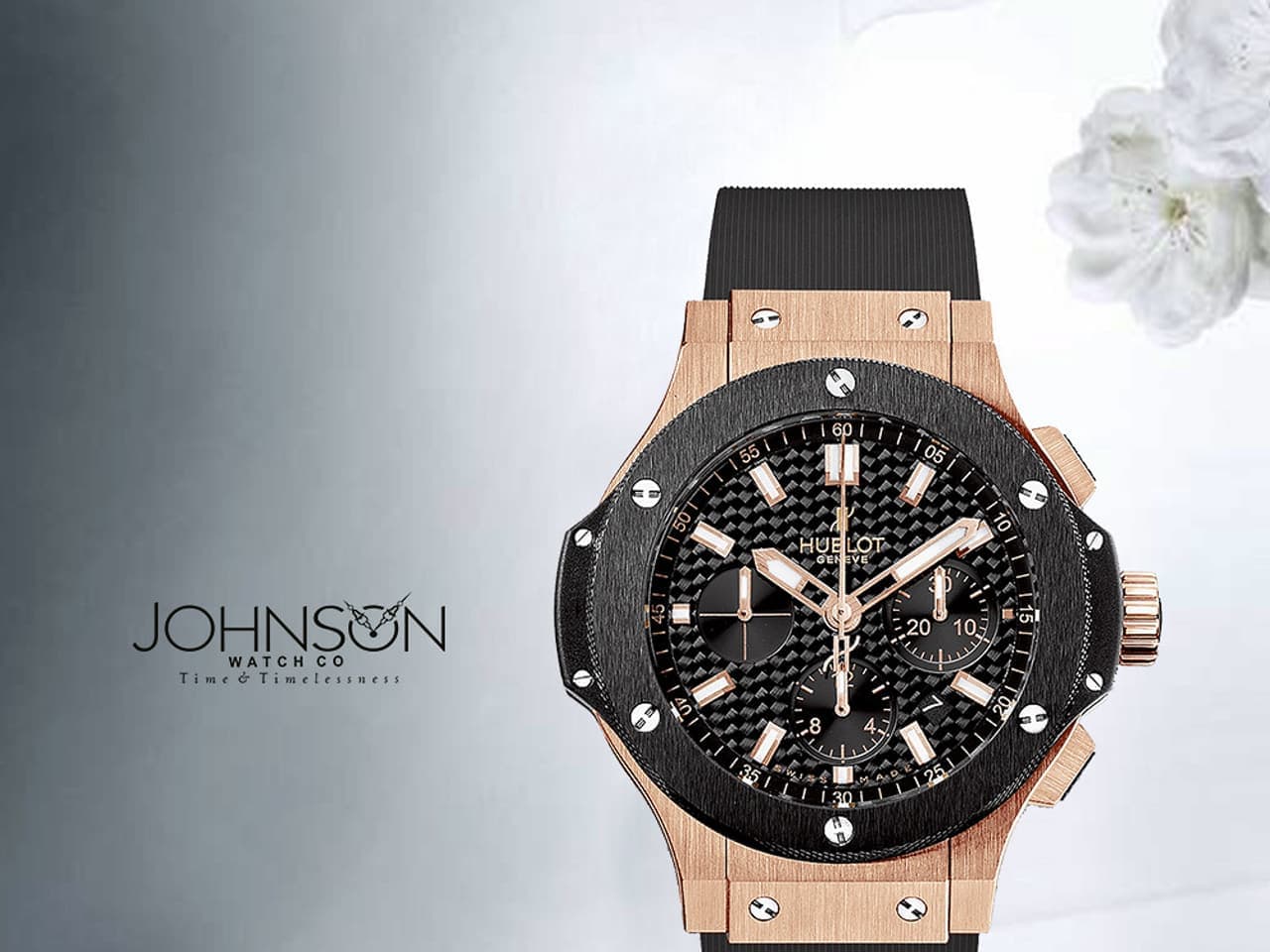
Nine gifts for watch people, split by whether they already collect.

Best for Wine Lovers
Nine gifts for wine lovers, from glassware to preservation to one good book.
Best for Plant Lovers
Nine gifts for plant people, starting with the problem nobody buys for: light.
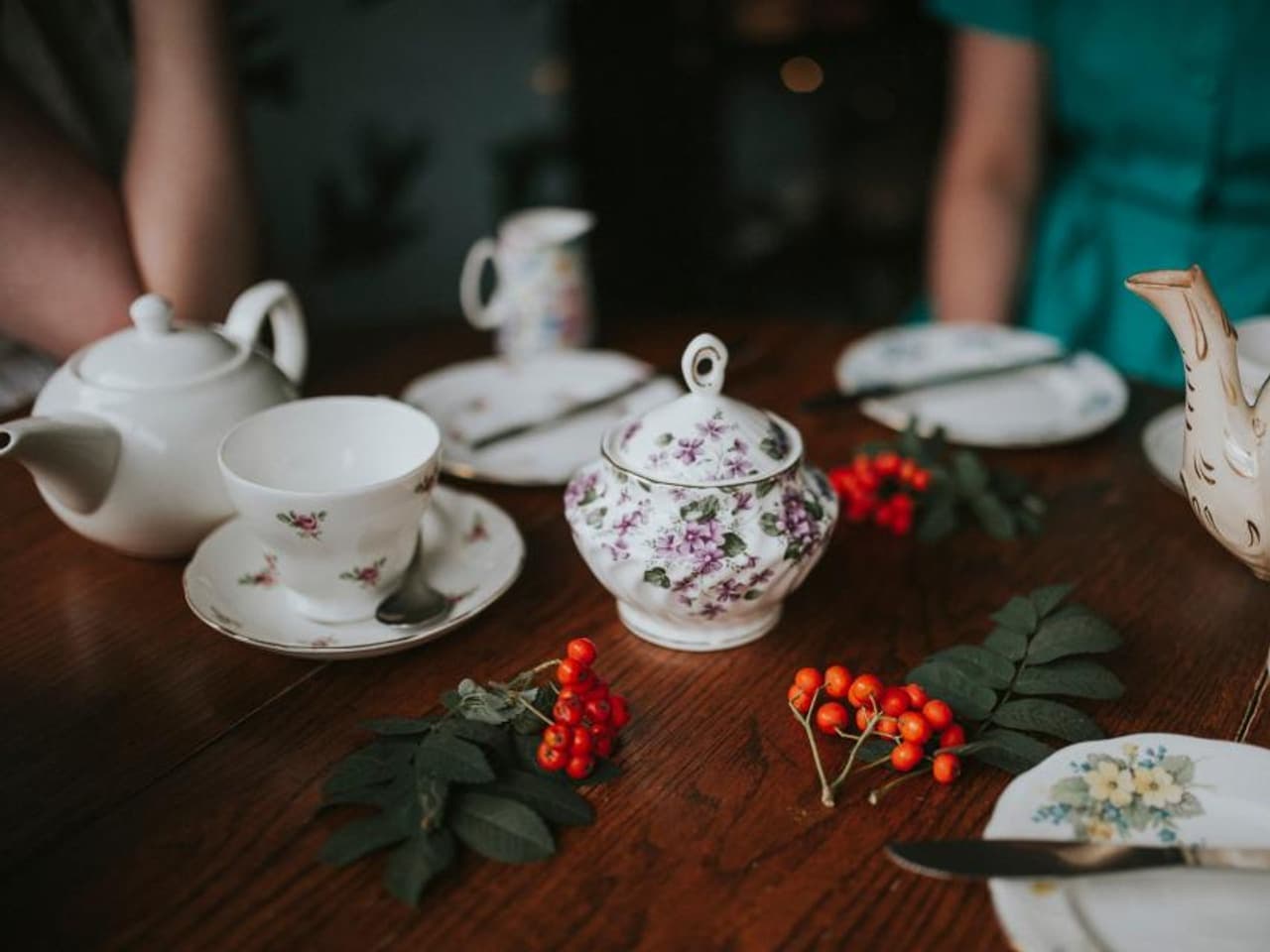
Best for Tea Lovers
Nine gifts for tea drinkers, starting with the kettle that fixes every cup.

Best for Gamers
Nine gifts for gamers, ordered by what you need to know first.

Best for Travelers
Nine gifts for travelers, all things that get packed every trip.

Best for Home Cooks
Nine gifts for home cooks, ranked by how often each one gets used.



Best for Gardeners
Nine gifts for gardeners, from lifetime tools to a kneeler for bad knees.
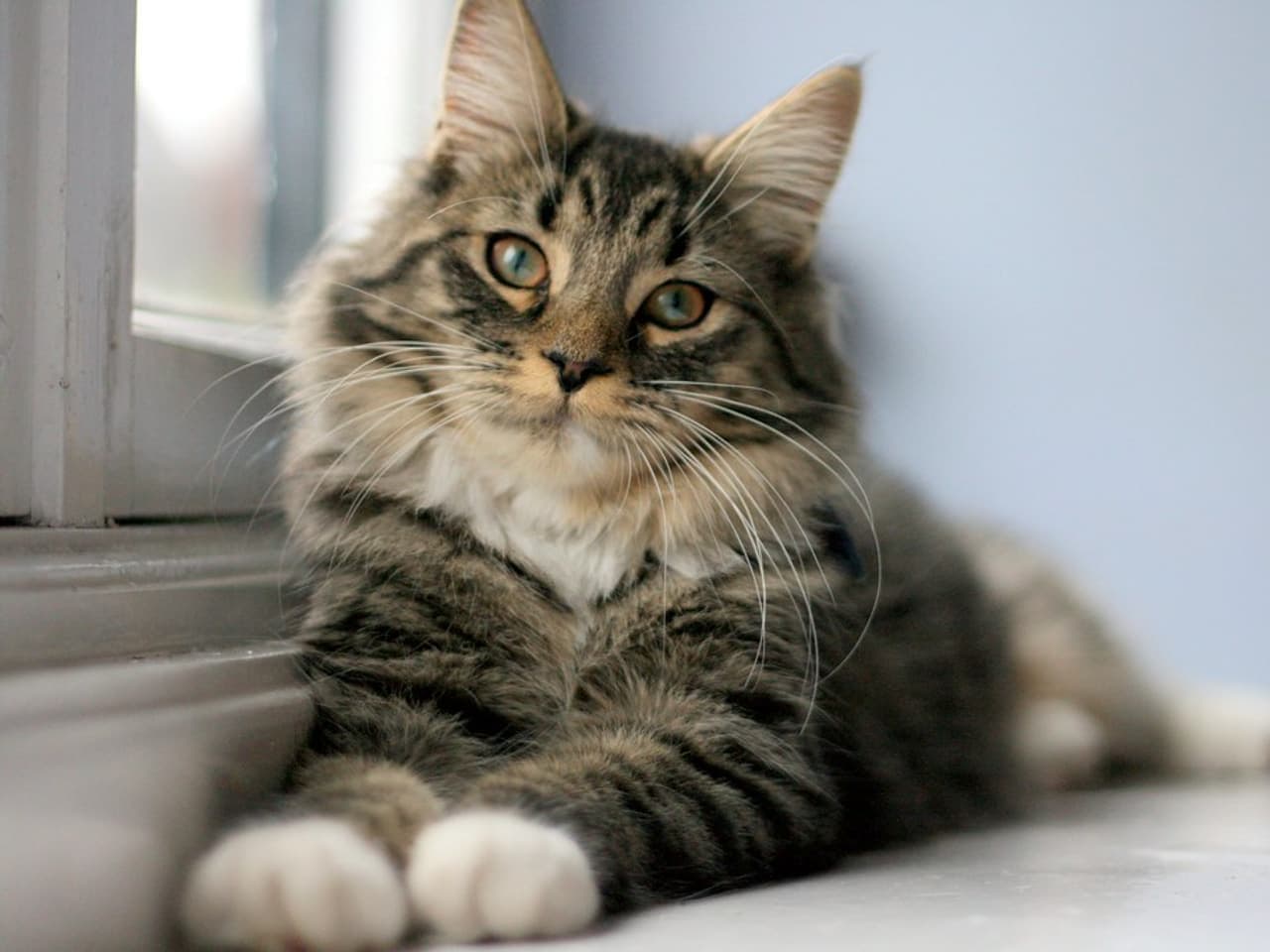
Best for Cat Lovers
Nine gifts for cat owners, led by the two things indoor cats are actually short of.
Buy links are affiliate links and we may earn a commission. How we earn.
Buy the accessory, not the centerpiece. Hobbyists optimize the expensive equipment and ignore the small stuff — the bookmark, the towel, the travel mug, the socks. That gap is where an outsider's gift lands well.
What they already own. Duplication is the main failure mode, not taste. For anything sized — watch straps, harnesses, socks, gloves — get the measurement as well, because a near-miss on fit makes the gift unusable.
They work best where the product gets consumed — coffee, tea, treats, socks — and worst where it accumulates. Keep them to one to three months: a year-long subscription becomes an obligation the recipient has to manage.
Only at the accessory end, unless they have specifically told you what they want. Someone serious has already made considered choices about their core gear, and a gift that overrides one of those decisions rarely gets used.
Begin from a budget, an occasion or an interest instead — whichever you know first.