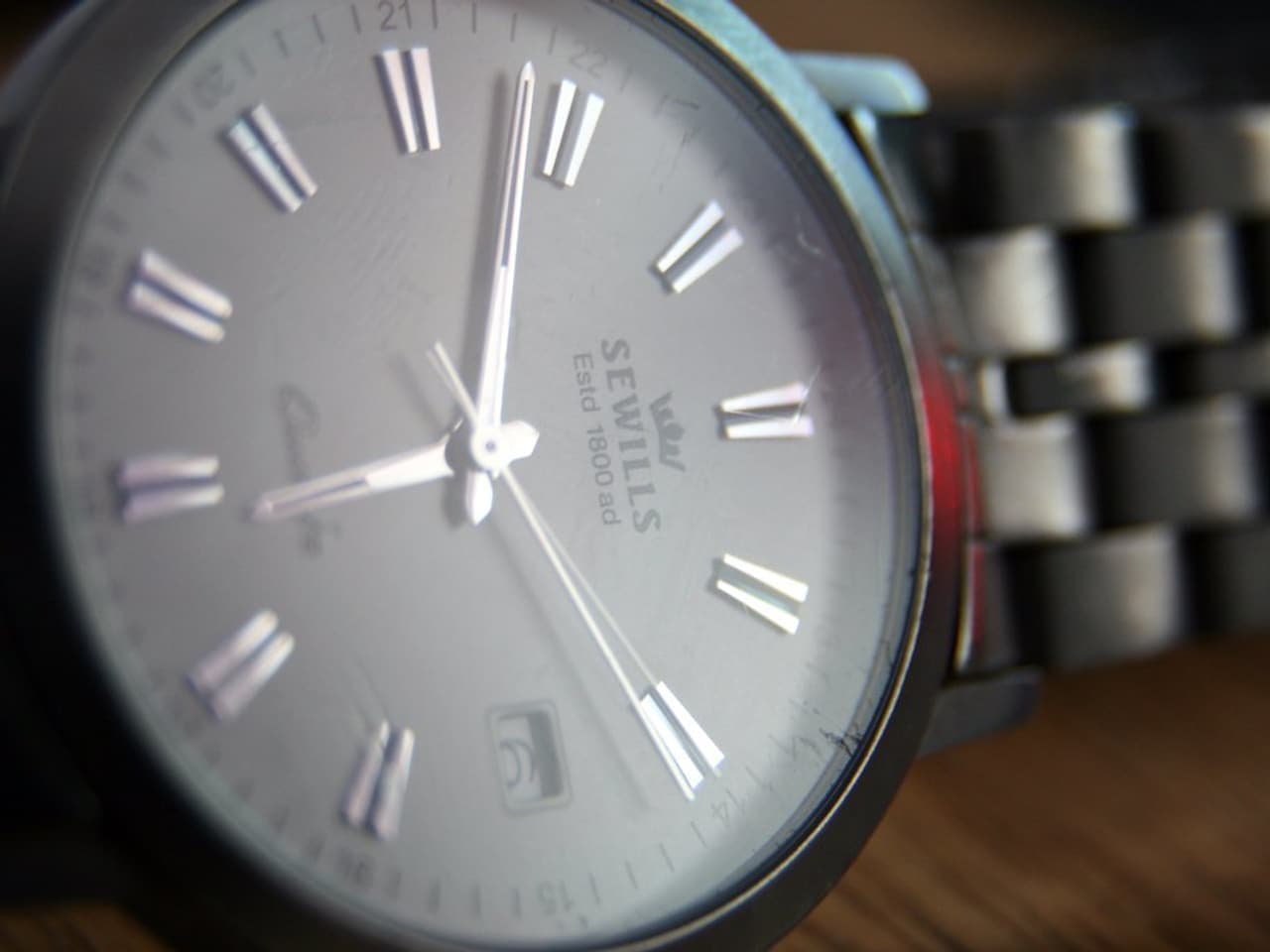
How to measure a watch strap
Two numbers decide whether a strap fits. Getting the first one wrong is the commonest way a watch gift becomes a dead gift.
Measure the gap between the two lugs where the strap sits - that is lug width, in millimeters, and it is almost always an even number between 18 and 22. Then check strap length: a standard 115/75mm pair fits most wrists, and anything over about 19cm of wrist circumference needs a long version.
We earn a commission if you buy through the links on this page, at no extra cost to you. It does not change which gifts we pick or the order we rank them in. How we earn.
The only two numbers that matter
Buying a watch strap sounds like it needs expertise and it does not. It needs two numbers, and one of them is far more important than the other.
Lug width is the distance between the two horns at the top of the watch case, where the strap slots in. It is measured in millimeters and it is almost always an even number. If this is wrong, the strap physically will not fit - there is no adjusting it, no stretching it, nothing to be done. This is the number that makes or breaks a strap as a gift.
Strap length is how much strap there is on either side of the buckle. If this is wrong the strap still fits the watch, but the buckle sits in an awkward place or the tail has nowhere to tuck. Annoying, not fatal.
Finding lug width without taking anything apart
In order of reliability, four ways:
1. Look up the model. By far the easiest. Search the watch's model name plus "lug width" and it appears in the specification on nearly every listing and manufacturer page. If you can read the model name off the dial or the caseback, you are finished in thirty seconds.
2. Measure the existing strap. Take a ruler to the strap where it meets the case - not further down, because many straps taper. Measure in millimeters, and round to the nearest even number. A strap that measures 19.5mm is a 20mm strap.
3. Measure the gap in the case. Only possible with the strap off, but the most accurate method: the inside distance between the two lugs is the lug width exactly.
4. Estimate from case diameter. The last resort, and it is a genuine estimate rather than a measurement. The usual relationship is below.
| Case diameter | Likely lug width | Typical of |
|---|---|---|
| 28 to 32mm | 14 to 16mm | Small dress and women's watches |
| 34 to 36mm | 18mm | Classic dress watches |
| 38 to 40mm | 20mm | The most common size on the market |
| 42 to 44mm | 22mm | Larger sports and dive watches |
| 45mm and up | 24mm or integrated | Oversized watches, often non-standard |
Use that table to sanity-check a measurement, not to replace one. There are plenty of 40mm watches with 19mm or 21mm lugs, and odd-numbered widths are exactly the situation where a guessed strap does not fit.
Choosing strap length
Straps are sold as two numbers, like 115/75 - the length of the long side and the short side in millimeters. Standard lengths fit the large majority of adult wrists. The two cases to watch for:
A wrist over about 19cm around needs a long or XL strap, or the buckle ends up pulled right to the end of the holes with no tail left to tuck.
A wrist under about 15cm needs a short strap, or there is a long tail flapping past the second keeper - the usual problem with women's wrists in a standard men's strap.
To measure a wrist, wrap a strip of paper around it just past the wrist bone, mark where it meets, and hold the mark against a ruler. If you are buying as a surprise and cannot do that, standard length is the right bet and the buckle hole position is the thing you have accepted might be slightly off.
The three mistakes that waste the gift
Guessing the width. The single biggest one, and the reason to spend the thirty seconds looking up the model. A 22mm strap on 20mm lugs does not fit, and a 20mm strap on 22mm lugs rattles and looks wrong.
Ignoring integrated or proprietary fittings. Some watches - a good number of modern designs and most smartwatches - do not take standard straps at all. The strap ends are shaped to the case, or the fitting is a brand-specific clip. If the strap seems to blend into the case rather than sit between two visible horns, check before buying anything.
Forgetting the spring bar tool. Changing a strap needs a small forked tool to compress the spring-loaded pin holding it in. People try it with a penknife or a paperclip, and the usual result is a long scratch across the lug. The tool costs very little and is worth including with a strap gift. Some straps come with one - check.
Quick-release bars, which change everything
Straps with quick-release spring bars have a tiny lever on the bar itself, so the strap comes off with a fingernail and no tool. If you are buying a strap for somebody who has never changed one, buy the quick-release version - it is the difference between a strap that gets swapped regularly and one that gets fitted once and left.
Which strap material to choose
Once the size is settled, the material question is a separate one with real consequences for who the recipient is - leather fits any wrist out of the box but dies in water, metal lasts years but needs sizing, and fabric survives everything but is never formal. Leather vs metal watch straps works through the whole decision.
Where this fits
A strap is the best low-cost gift in this category, because it is the thing a watch owner always wants and never buys. The wider list is gifts for watch lovers, which is written specifically for the recipient you cannot buy a watch for.
If the watch itself is still being chosen, what size watch to buy covers case sizing - a different measurement from this one and the other common way a watch gift misses - the best watches under $500 lists the tier, and is a watch a good gift is the page to read before spending anything at all.
What to buy
Every pick includes who it is wrong for. Prices move constantly, so we link to the current one rather than printing a number that goes stale.
#ad Prices move; we link you to the current one. How we earn
1. Once you know the lug width, this is the best-value strap gift there is
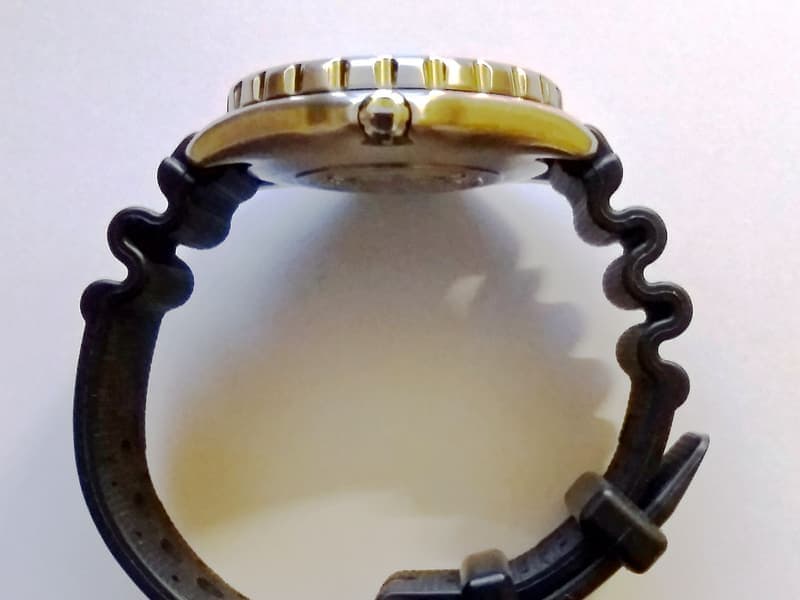
NATO and leather strap set, 20mm
Various
Three straps turn one watch into three watches for under twenty-five dollars.
Three straps turn one watch into three for very little money, and 20mm is the single most common lug width on men's watches - which is why a set in that size is a safe bet more often than not. Strap changes are the cheapest meaningful upgrade in the hobby. The one thing that matters is the number: measure first, because a strap in the wrong width simply will not go on, and there is no adjusting it.
Skip it if: You cannot find out their lug width. A strap that does not fit is a dead gift.
- Safe bet
- 7.8
- Thoughtful
- 8.8
- Value
- 9.6
- Gets used
- 8.4
#ad Prices move; we link you to the current one. How we earn
2. They already have the straps and keep swapping between them
Leather watch roll, two-slot
Various
The gift for a watch person when you cannot buy them a watch.
Anyone who changes straps accumulates them, and loose straps live in the same drawer as the loose watches. A two-slot roll holds the watch with whatever is on it and travels without the buckle scratching the case, which is the actual problem a watch person has and does not get around to solving.
Skip it if: They own one watch and wear it every day.
- Safe bet
- 8.8
- Thoughtful
- 9.0
- Value
- 8.6
- Gets used
- 7.8
#ad Prices move; we link you to the current one. How we earn
3. The cheapest watch worth buying straps for
Weekender 38mm
Timex
The cheapest watch that does not look cheap.
Plain dial, swappable fabric strap, quartz movement. It is the watch to buy when you want to give someone a watch and do not want the gift to carry a hundred dollars of anxiety with it. Changing the strap makes it a different watch, which is a gift that keeps giving you something to do.
Skip it if: They already own a nice watch — this will read as a downgrade rather than a second option.
- Safe bet
- 9.2
- Thoughtful
- 7.4
- Value
- 9.6
- Gets used
- 8.6
Questions people ask
How do you measure a watch strap size?
Measure the gap between the two lugs where the strap meets the case, in millimeters - that is lug width, and it is almost always an even number between 18 and 22. The easiest method is to search the watch model name plus 'lug width', which appears in nearly every specification listing.
What is the most common watch strap width?
20mm, which suits most watches with a case diameter of 38 to 40mm. 18mm is typical of classic dress watches and 22mm of larger sports and dive watches, but odd widths exist and are exactly the case where a guessed strap will not fit.
How do you know what length watch strap to buy?
Standard lengths, sold as pairs like 115/75mm, fit most adult wrists. A wrist over about 19cm around needs a long version, and under about 15cm needs a short one. Measure by wrapping a strip of paper around the wrist past the bone and holding the mark to a ruler.
Do you need a tool to change a watch strap?
Usually yes - a small forked spring bar tool to compress the pin holding the strap in. Doing it with a penknife normally scratches the lugs. Straps with quick-release spring bars can be swapped with a fingernail, and are the better choice for someone who has never changed one.
References
Still deciding?
Narrow it down by who you are buying for, or set a number and work from there.
Part of Gift guides and how-to.