Are experience gifts better than physical gifts?
Sometimes. Here is who each one suits, and the two ways experience gifts go wrong.
An experience beats an object when the recipient is short of space rather than short of things to do, and when you handle the booking. It loses when they are overcommitted, when the booking is left to them, or when there is nothing to open.
The case for experiences
The argument is straightforward and mostly right: an object occupies space permanently and an experience does not. For anyone who has run out of room, is actively downsizing, or already owns good versions of everything, that is decisive — see gifts for someone who has everything.
Experiences also tend to produce a shared event rather than a possession, which is why they work particularly well for partners, close friends and family members you do not see often enough.
The two ways they fail
You hand over the admin. This is the big one. A voucher that the recipient has to research, book and coordinate around everyone else's schedule is a task. The gift is the organizing as much as the activity — pick the thing, pick the date, handle the logistics, and tell them where to be.
The recipient is overcommitted. For someone with no spare evenings, an experience with an expiry date is a source of mild guilt until it lapses. An object asks nothing of them; a booking asks for a Saturday.
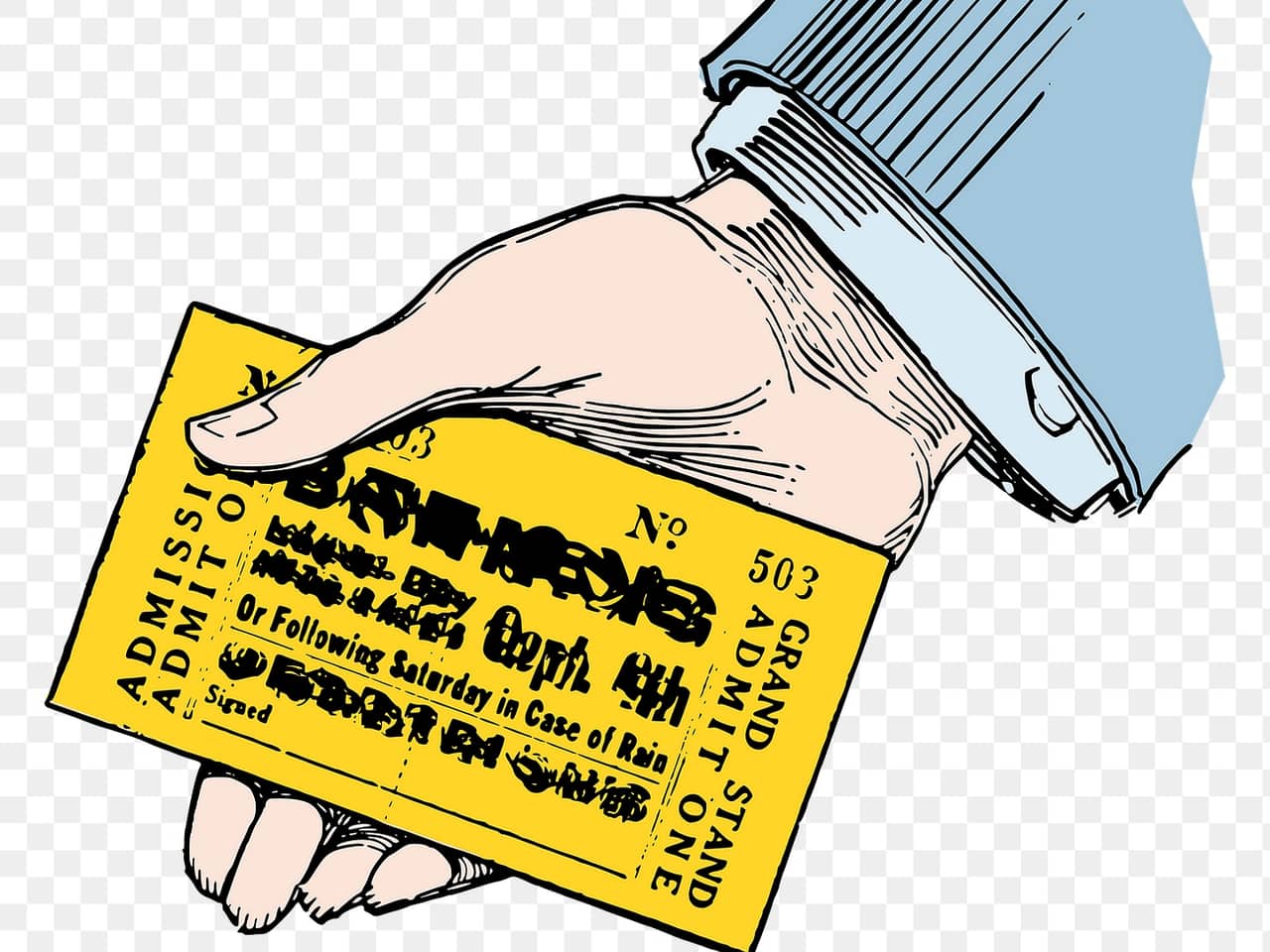
There is also a smaller third failure: nothing to open. On a birthday or at Christmas, with people watching, a printed email is a flat moment. Pair the experience with something small and physical.
When an object is simply better
When there is a real gap. A splitting wallet, a blunt knife, thin socks, a cold cup of coffee. Fixing a daily annoyance beats an afternoon out.
When they are time-poor rather than space-poor. A busy person wants one fewer thing to arrange, not one more.
For children and teenagers. Mostly, though an experience with friends is a strong exception for a teenager.
When you want it to last. An object is still there in five years; an experience is a memory, which is wonderful and is not the same thing.
How to choose, in one question
Ask: is this person short of space, or short of time?
Space-poor means an experience or something consumable. Time-poor means an object, or better still something that removes a chore. It is a more reliable test than any generalization about experiences being better, because it is about the person rather than the category.
The best version of each
A good experience gift is specific, dated, booked by you, and local to them. A good physical gift is something they already use, in a better version than the one they own. Both of those are a long way from the default versions — a generic voucher and a generically nice object — which is where most of the disappointment in this debate actually comes from.
For the gift-card version of this question, see experience gifts versus gift cards.
Questions people ask
Are experience gifts better than physical gifts?
For someone short of space, usually yes. For someone short of time, usually no — an experience with an expiry date becomes a mild obligation, while an object asks nothing of them.
What is the most common mistake with experience gifts?
Handing over the admin. A voucher the recipient has to research, book and coordinate is a task. The organizing is as much the gift as the activity, so pick it, date it and arrange it.
How do I decide between an experience and an object?
Ask whether they are short of space or short of time. Space-poor means an experience or a consumable; time-poor means an object, or something that removes a chore.
Should I give something physical alongside an experience?
Yes, if the gift is being opened in front of people. A printed email is a flat moment on a birthday — pair it with something small so there is something to unwrap.
References
Still deciding?
Narrow it down by who you are buying for, or set a number and work from there.
Part of Gift guides and how-to.