Budget vs splurge gifts
Spending more improves a gift in some categories and does almost nothing in others. The trick is knowing which you are standing in.
Spend more where the money buys materials, a mechanism or a lifetime: cast iron, mechanical watches, wool, real leather. Stay cheap where quality plateaus early: graters, pocket knives, puzzles, consumables. A good $20 gift beats a bad $200 one in every category, every time.
We earn a commission if you buy through the links on this page, at no extra cost to you. It does not change which gifts we pick or the order we rank them in. How we earn.
Quick picks
The short answer, ranked. Tap any row for the full reasoning, or go straight to the current price.
| # | Product | Best for | Score | Price |
|---|---|---|---|---|
| 1 |  Premium Classic zester and grater Lemon zest, parmesan, garlic, nutmeg — one tool, used daily. | The budget case, in its purest form | 9.39.3 out of 10, our editorial score | |
| 2 |  Classic SD pocket knife Scissors, blade, nail file, keyring. Carried for decades. | The cheap gift that outlives expensive ones | 9.29.2 out of 10, our editorial score | |
| 3 | 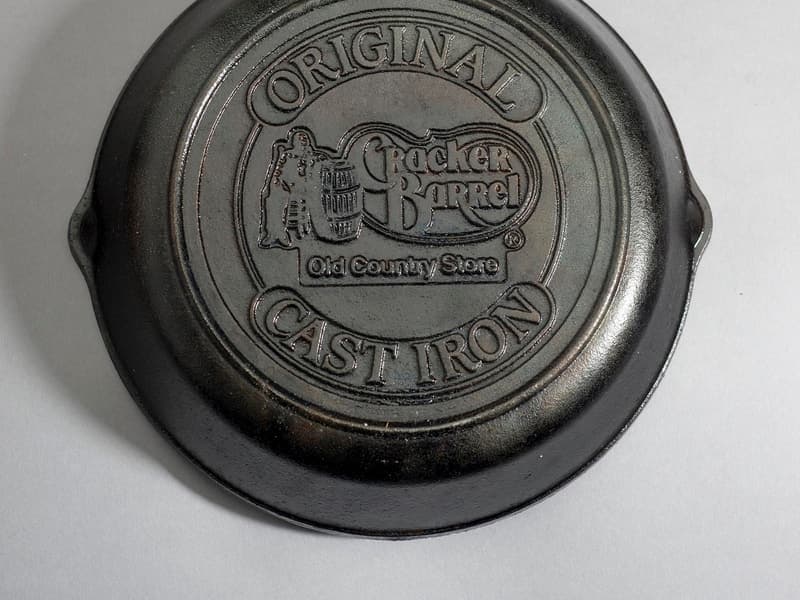 Cast iron skillet, 10.25 inch Outlives the kitchen it is given to. | The best illustration of the middle ground | 9.39.3 out of 10, our editorial score | |
| 4 | 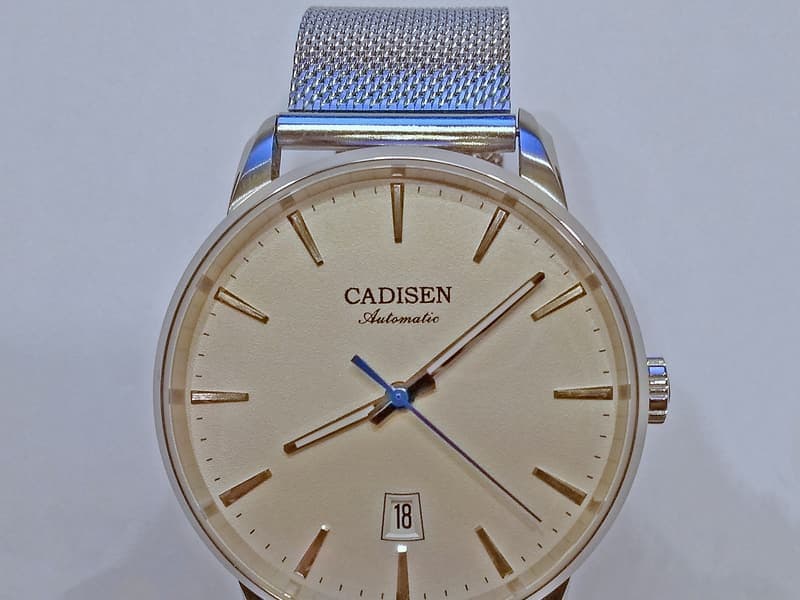 5 Sports SRPD field watch A real automatic movement for the price of a mid-range quartz. | The splurge that genuinely changes what the gift is | 8.98.9 out of 10, our editorial score | |
| 5 | 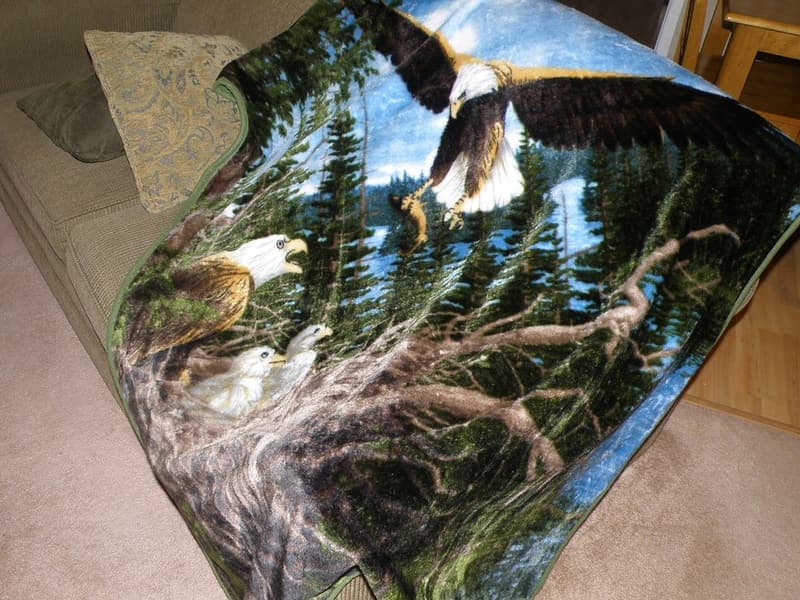 CozyChic throw blanket Absurdly soft, and the most reliably loved gift in this category. | A splurge in a category where cheap versions visibly fail | 8.68.6 out of 10, our editorial score | |
| 6 |  Local experience or class voucher The right answer for the person with no space left | Where a large budget does the most work of all | 8.38.3 out of 10, our editorial score |
Scores are our own editorial judgment, not lab measurements. How we score. Links are affiliate links — how we earn.
The verdict first
Buy the good version of an inexpensive category rather than the cheap version of an expensive one. That single rule resolves this comparison in almost every real situation, and it is the reason a twenty-dollar Microplane is a better gift than a two-hundred-dollar fashion watch.
Spend more only when the money buys one of three specific things: a mechanism, better materials, or a longer life. If it is buying a name on the outside, a bigger box or a fourth item in a set, it is not improving the gift.
Where spending more genuinely helps
| Category | What the extra money buys | Worth it? |
|---|---|---|
| Watches | A mechanical movement instead of a battery | Yes, up to about $300 |
| Wool, silk, leather | Material that survives washing and wear | Yes |
| Blankets and bedding | Fabric that does not pill in one season | Yes |
| Experiences | A day that gets remembered, and no clutter | Yes, if you arrange it |
| Bags and luggage | Stitching, zips and a real warranty | Yes |
The common thread is that in each row there is something physical to buy with the money. Wool is warmer than acrylic. An automatic movement is a different machine. A warranty is a contract. None of that is marketing.
Where quality plateaus early
| Category | Roughly where it stops improving | What the extra money buys |
|---|---|---|
| Kitchen hand tools | Around $20 | A nicer handle |
| Pocket knives and keyring tools | Around $25 | Materials you will not notice |
| Puzzles, card games, board games | Around $40 | Thicker box, more pieces |
| Consumables | Around $30 | Packaging, mostly |
| Cast iron cookware | Around $30 | Machining and looks, not performance |
In these categories a larger budget is better spent on a second gift, or on moving to a category from the first table. This is the half of the comparison people reliably get wrong, because a bigger number feels like a better gift even when it changes nothing in the recipient's hands.
The expensive mistake this comparison exists to prevent
Buying the entry level of a glamorous category. A $200 fashion-brand quartz watch, $25 wireless earbuds, a $40 knife block, a $60 handbag, a $50 bottle of champagne. Each is the worst example of its own category, and in each case the same money spent one tier down in a less glamorous category buys something genuinely good.
The reason it keeps happening is that the glamorous categories are also the heavily marketed ones, so their entry level is the most visible thing in the shop. The defense is mechanical: before buying, ask what the money is physically buying. If the answer is "the name", move categories. This argument has its own page in gifts that don't look cheap.
What the recipient changes
Someone who already owns enough. Splurging on an object is the worst option here, because the constraint is space rather than money. Spend up on an experience or a consumable instead - gifts for someone who has everything works through why, and gifts for a dad who has everything applies it to the commonest version of that recipient.
Someone furnishing a first home. Budget wins on volume. Five good twenty-dollar kitchen objects beat one hundred-dollar one, because the gap in their kitchen is breadth.
A milestone. Splurge, and buy one thing rather than several. Spreading a large budget across five gifts reads as five guesses; one considered object or one booked day reads as attention.
Someone hard on their possessions. Budget, deliberately. A cheap thing that survives being treated badly is a better gift than an expensive thing that does not.
A colleague or an exchange with a cap. Budget, and respect the cap exactly - going over it is awkward rather than generous. The specifics are in secret santa gifts under $20.
How to split a fixed amount
If you have a hundred dollars for one person, the choice is not really budget versus splurge - it is one object versus several. The useful default is one real gift plus one consumable: the object carries the occasion and the consumable makes it feel generous without adding anything to store.
Where that breaks down is a large family. Across six people, a hundred dollars each is a different problem from six hundred on one person, and the honest answer is to go budget on five and splurge on none - then put the difference into something shared, like a meal everyone is at. How much to spend on a gift works through the arithmetic by relationship and occasion.
Price tiers, in one line each
Under $25. The best value tier there is. Real brands, real quality, no compromises visible. See gifts under $25.
$25 to $50. Materials arrive - wool, silk, single-origin anything. The tier where a cheap gift stops reading as cheap.
$50 to $100. The most efficient budget in gifting. Full-grain leather, a watch from a watch company, a bag with a warranty. Gifts under $100 covers it.
Above $100. You are buying refinement, not capability, in most categories. The exceptions are experiences and anything with a mechanism - splurge gifts is the list where the extra money still does work.
So which is better?
Neither, and the question is slightly wrong. The variable that predicts whether a gift lands is not what it cost but whether it was chosen for one specific person - which is why a filled-in recipe box outperforms almost anything in the top tier, and why the most expensive gift in a room is rarely the one that gets talked about.
Use the budget to decide the category, then spend the whole budget inside the category where it buys something physical. Get that order right and the amount matters much less than it feels like it should.
The picks, in full
Every pick includes who it is wrong for. Prices move constantly, so we link to the current one rather than printing a number that goes stale.
#ad Prices move; we link you to the current one. How we earn
1. The budget case, in its purest form
Premium Classic zester and grater
Microplane
Lemon zest, parmesan, garlic, nutmeg — one tool, used daily.
This costs less than a paperback and there is no version of it at ten times the price that works better. The blade is photo-etched, it is sharp, and that is the entire product. It is the clearest demonstration on the site that some categories top out early: a good cook would be annoyed to lose it, and spending more would buy nothing except a thicker handle.
Skip it if: Nothing, really. This is close to universally useful.
- Safe bet
- 9.6
- Thoughtful
- 8.0
- Value
- 9.8
- Gets used
- 9.6
#ad Prices move; we link you to the current one. How we earn
2. The cheap gift that outlives expensive ones
Classic SD pocket knife
Victorinox
Scissors, blade, nail file, keyring. Carried for decades.
Scissors, a small blade and a nail file on a keyring, from a company that has made them for over a century. It gets carried for a decade, which is a longer service life than most gifts costing twenty times as much. Engraving costs very little and turns it into something obviously chosen for one person. The limit is honest: it is a small tool, not a statement.
Skip it if: They go through airport security with their keys regularly.
- Safe bet
- 9.4
- Thoughtful
- 8.4
- Value
- 9.8
- Gets used
- 9.2
#ad Prices move; we link you to the current one. How we earn
3. The best illustration of the middle ground
Cast iron skillet, 10.25 inch
Lodge
Outlives the kitchen it is given to.
Cast iron is the rare category where the inexpensive option is also the correct one - this costs a fraction of a boutique pan and performs the same job, improving with every year of use. Paying four times as much buys smoother machining and a nicer handle, neither of which changes the cooking. Heavy, and it needs drying immediately, so it is wrong for anyone with wrist trouble.
Skip it if: They have a glass-top stove they are precious about, or wrist problems. These are heavy.
- Safe bet
- 9.2
- Thoughtful
- 8.6
- Value
- 9.8
- Gets used
- 9.4
#ad Prices move; we link you to the current one. How we earn
4. The splurge that genuinely changes what the gift is
5 Sports SRPD field watch
Seiko
A real automatic movement for the price of a mid-range quartz.
This is the clearest case for spending more. Below roughly $150 a watch is a battery-powered device; at this price it becomes a self-winding machine you can watch working through the caseback, which is the thing that makes people care about watches at all. The money buys a mechanism, not finish. It drifts several seconds a day, which is the trade.
Skip it if: They want perfect accuracy — a mechanical watch drifts by seconds a day, by design.
- Safe bet
- 8.4
- Thoughtful
- 9.4
- Value
- 9.0
- Gets used
- 8.8
#ad Prices move; we link you to the current one. How we earn
5. A splurge in a category where cheap versions visibly fail
CozyChic throw blanket
Barefoot Dreams
Absurdly soft, and the most reliably loved gift in this category.
Inexpensive throws pill within a season and then live in a cupboard, so this is a category where the extra money buys service life rather than prestige. It gets used every evening, which is the test that matters. If the recipient is indifferent to soft things, this is money better spent elsewhere - it is a comfort object and nothing more.
Skip it if: They are a minimalist, or they live somewhere genuinely hot.
- Safe bet
- 9.2
- Thoughtful
- 8.6
- Value
- 7.0
- Gets used
- 9.4
#ad Prices move; we link you to the current one. How we earn
6. Where a large budget does the most work of all
Local experience or class voucher
Various
The right answer for the person with no space left
The strongest argument for spending up is not an object at all. A booked, dated, paid-for day out is remembered years after an equivalently priced thing has been absorbed into a household, and it leaves nothing to store. The one condition is that you do the arranging: an unbooked voucher hands the recipient admin and undoes the whole gift.
Skip it if: They are overcommitted and would experience a booking as homework.
- Safe bet
- 7.8
- Thoughtful
- 9.6
- Value
- 8.0
- Gets used
- 7.6
Questions people ask
Is it better to buy a budget gift or splurge?
Buy the good version of an inexpensive category rather than the cheap version of an expensive one. Spend more only where the money buys a mechanism, better materials or a longer service life.
Which gift categories are worth spending more on?
Watches with mechanical movements, wool and silk and leather, blankets and bedding, bags with real warranties, and experiences you arrange yourself. In each case the extra money buys something physical.
Which gifts stop getting better after a certain price?
Kitchen hand tools around $20, pocket knives around $25, consumables around $30, cast iron around $30 and board games around $40. Above those points you are mostly buying packaging and finish.
What is the most common expensive gift mistake?
Buying the entry level of a glamorous category - a fashion-brand watch, cheap wireless earbuds, a budget handbag. The same money one tier down in a less glamorous category buys something genuinely good.
References
Still deciding?
Narrow it down by who you are buying for, or set a number and work from there.
Part of Comparisons.